MLB Market Brief: Lineup Splits and Park Context (lxlus9)
This MLB update explains how I weigh lineup platoon advantages relative to park factors and catcher framing edge on borderline counts, then shows where timing can still misprice the market.
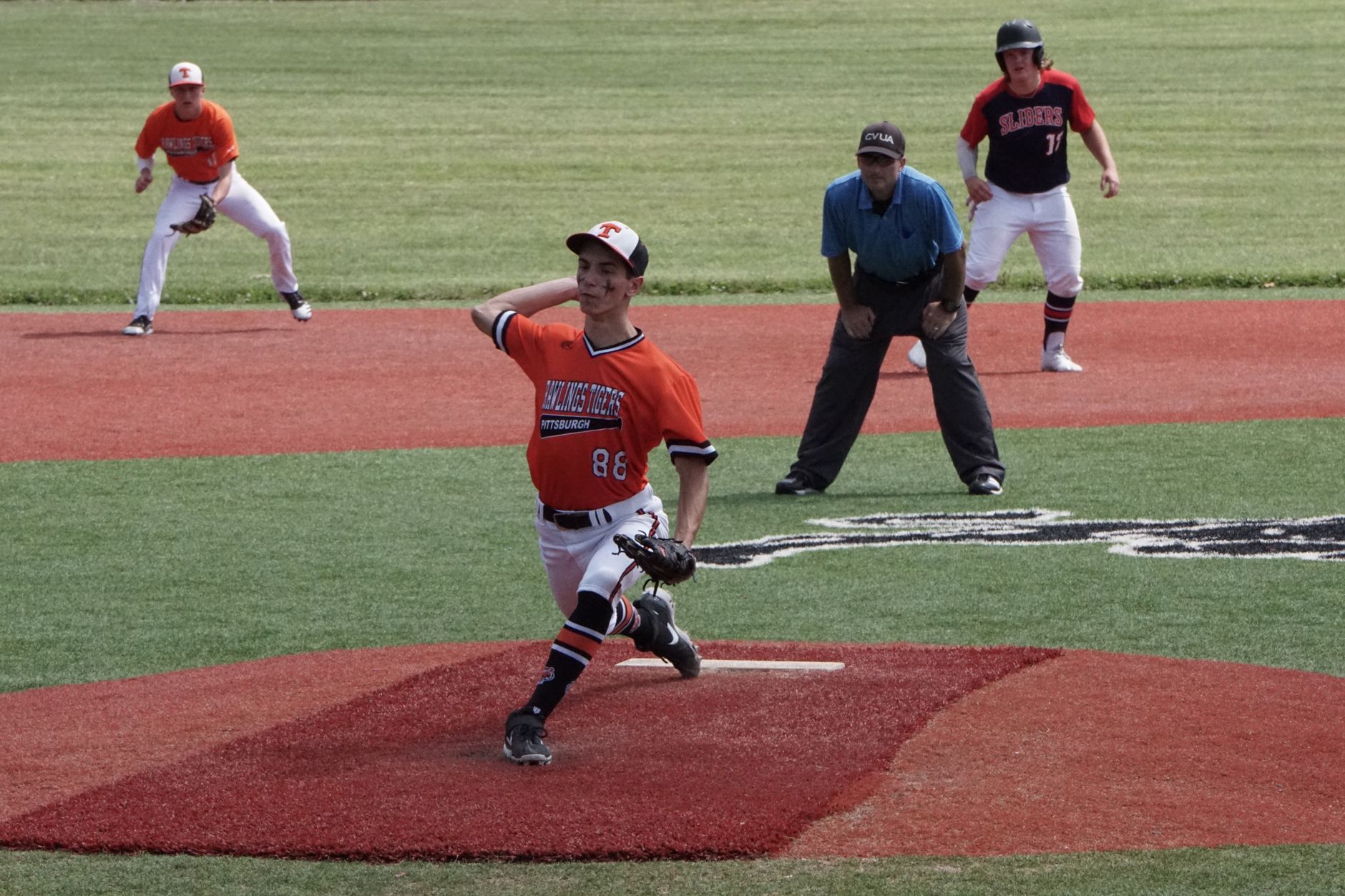
Photo by Mark Milbert on Pexels
Key Takeaways
- Confirmed lineup platoon edges often explain late MLB steam better than public sentiment.
- Park-adjusted run environment should be checked before reacting to total moves.
- Starter pitch-count caps can create hidden value in derivative markets.
Market Implications
- Target numbers before bullpen status becomes fully priced.
- Avoid forcing totals when weather and park factors point in opposite directions.
- Lean into first-five angles when framing edges matter more than bullpen state.
Full Analysis
The board today is less about name value and more about who still has late leverage arms available. I build this board around lineup platoon advantages relative to park factors.
Platoon decisions and park context feed each other, which is why totals can look stale on openers. Bullpen stress can distort late innings faster than opener prices account for. If new information lands around catcher framing edge on borderline counts, starter efficiency curves, bullpen freshness, and handedness-driven lineup value can move faster than posted numbers. That can leave openers behind fair value.
I will pass if park and weather point in opposite directions and the price already moved. Anchor moneyline and total decisions to bullpen availability first, then adjust once lineups lock and park conditions are finalized.
I would rather wait for one clean edge than force three thin ones. If starting pitcher status is still fluid, avoid aggressive exposure because MLB prices can re-open with new assumptions. Cross-check the read against official reporting before adding size.
I do not move from lean to position until lineup platoon advantages relative to park factors is confirmed by trusted updates and pricing response. If that confirmation is missing, I downgrade conviction and treat starter efficiency curves, bullpen freshness, and handedness-driven lineup value as unresolved instead of forcing a narrative.
The difference between value and noise is often the 20-minute window when books are still repricing. I only increase exposure when both lineup platoon advantages relative to park factors and catcher framing edge on borderline counts point in the same direction and the number still leaves room for edge.
If source reporting and market movement disagree, I treat that gap as uncertainty first and opportunity second. If that conflict persists near start time, smaller sizing is usually the better trade than chasing a late move.
My final filter is execution discipline: if the setup is no longer clean, the right decision is often no bet. The goal is durable decision quality over a full season, not forcing volume on every board.