NCAA Baseball Market Brief: Weekend Starter Runway and Bullpen Depth
This NCAA Baseball update explains how I weigh defensive range behind contact-oriented pitching and park, wind, and lineup-split context entering first pitch, then shows where timing can still misprice the market.
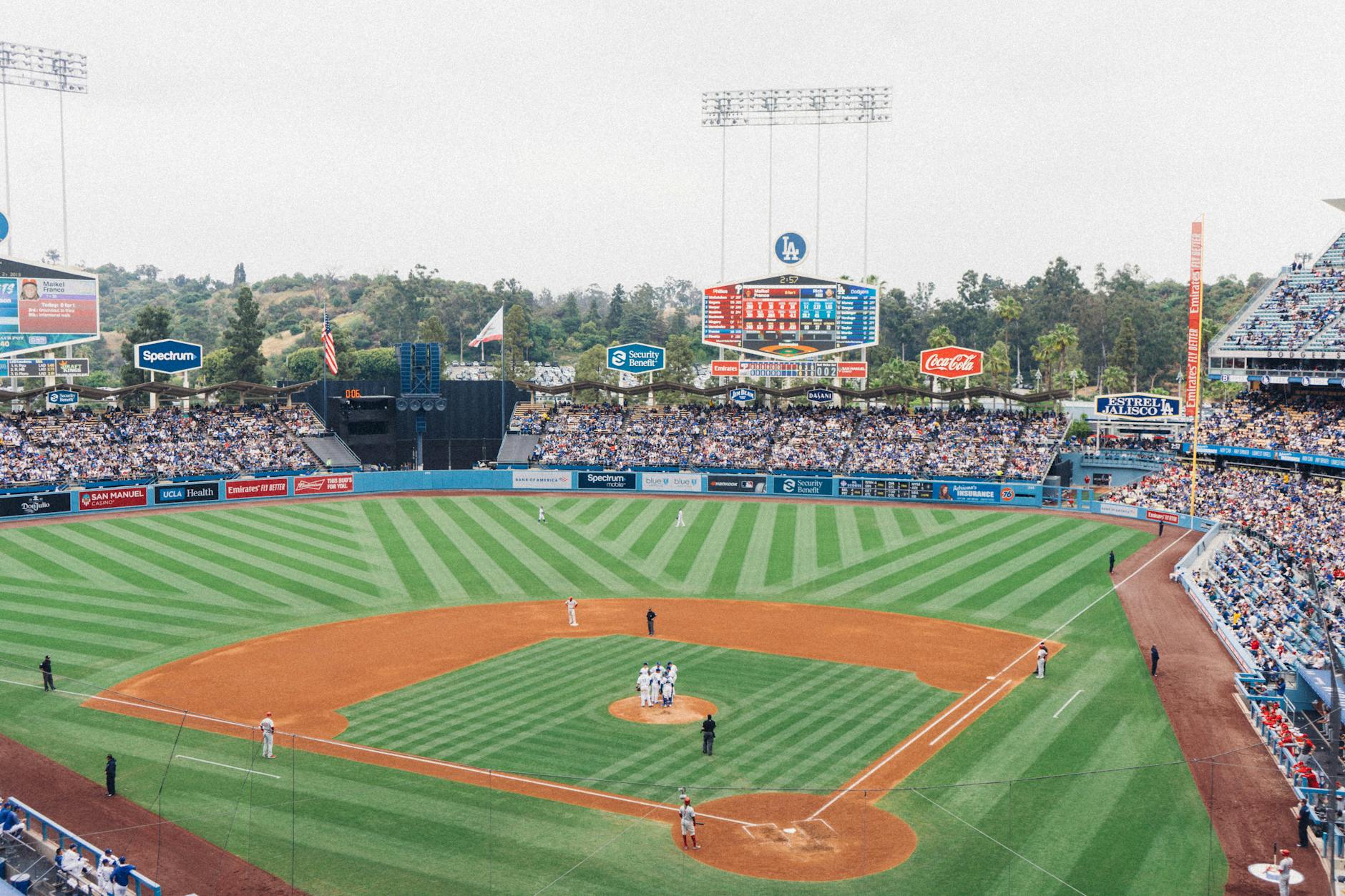
Photo by Martin Péchy on Pexels
Key Takeaways
- College baseball moneylines change most when the starting arm cannot realistically protect the middle innings.
- Bullpen attrition over a weekend series can matter more than raw season ERA.
- Park and wind context should be checked before reacting to total steam in college baseball.
Market Implications
- Lower exposure when both staffs are managing thin bullpens late in a series.
- Attack stale totals only after weather and lineup information align.
- Do not let prospect-name bias outrun actual bullpen and park context.
Full Analysis
Sunday college baseball can be less about talent and more about which staff has any clean innings left. If I misread defensive range behind contact-oriented pitching, the rest of the handicap usually starts from the wrong baseline.
When the starter's runway shortens, bullpen stress and late-inning scoring probability both rise. When park and weather amplify contact quality, the market can lag on the true run environment. If new information lands around park, wind, and lineup-split context entering first pitch, weekend starter workload, bullpen bridge quality, and park-weather context across series play can move faster than posted numbers. That is usually the last piece to get fully priced across books.
I would rather miss the opener than guess at inning coverage in college baseball. Tie sides and totals to starter runway and bullpen coverage first, then revisit the number once lineups and weather are posted.
If the pitching plan is still unclear, I keep exposure smaller. College baseball prices can reset quickly once starters or weather clarify, so unresolved pitching plans warrant smaller size. Cross-check the read against official reporting before adding size.
Before I add size, I verify defensive range behind contact-oriented pitching with official reporting and live board behavior. If that confirmation is missing, I downgrade conviction and treat weekend starter workload, bullpen bridge quality, and park-weather context across series play as unresolved instead of forcing a narrative.
I care about the window, not just the side, because edge quality drops once books synchronize to new information. I only increase exposure when both defensive range behind contact-oriented pitching and park, wind, and lineup-split context entering first pitch point in the same direction and the number still leaves room for edge.
Mixed signals across reporting and price action are a warning to protect discipline before chasing a thesis. If that conflict persists near start time, smaller sizing is usually the better trade than chasing a late move.
The edge comes from repeatable process, so I would rather pass than force action when the read loses clarity. The goal is durable decision quality over a full season, not forcing volume on every board.