NCAA Football Market Brief: Line-of-Scrimmage Gaps on Saturday Boards (12omlo)
This NCAA Football update explains how I weigh red-zone finishing discipline in hostile road settings and updated offensive line continuity and depth-chart injuries, then shows where timing can still misprice the market.
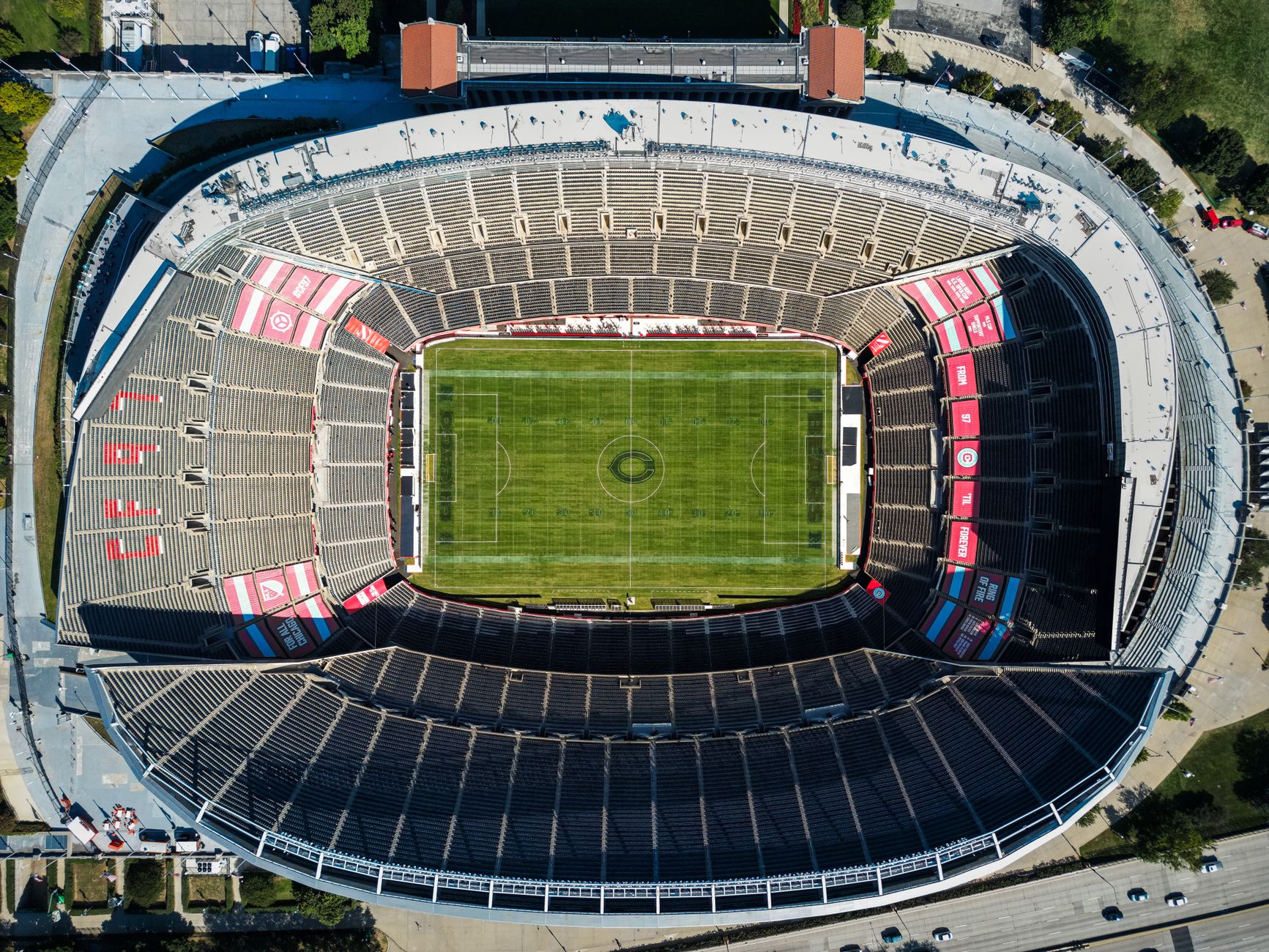
Photo by Willian Justen de Vasconcellos on Pexels
Key Takeaways
- Brand bias can hide real trench mismatches for longer than the market should allow.
- Quarterback clarity is only useful when it is paired with updated protection context.
- Havoc mismatches can break a favorite long before raw talent does.
Market Implications
- Treat strong home-field narratives as secondary if the line play does not support them.
- Downgrade favorites that need perfect protection calls in hostile venues.
- Look past national rankings when Havoc and finishing data split hard.
Full Analysis
I trust Havoc and finishing discipline faster than I trust a glossy Saturday narrative. If I misread red-zone finishing discipline in hostile road settings, the rest of the handicap usually starts from the wrong baseline.
A mismatch up front can distort third-down conversion and game script before the market fully reacts. Brand-name bias often leaves one soft number after the depth-chart signal is already obvious. If new information lands around updated offensive line continuity and depth-chart injuries, roster attrition, trench mismatches, and tempo gaps between programs can move faster than posted numbers. That is often where price and probability disconnect for a short window.
I wait for Saturday availability and warmup clarity before treating a lean like a position. Anchor entries to updated depth charts and Saturday availability notes, then re-check whether tempo and trench edges still justify the posted number.
When the depth chart is unresolved, protecting discipline matters more than forcing a position. College football markets can swing hard on late quarterback and weather changes, so mixed reports should keep size in check. Cross-check the read against official reporting before adding size.
My first confirmation step is checking that red-zone finishing discipline in hostile road settings still holds once final reports are posted. If that confirmation is missing, I downgrade conviction and treat roster attrition, trench mismatches, and tempo gaps between programs as unresolved instead of forcing a narrative.
Entry timing matters as much as the read itself, because stale numbers disappear quickly after confirmation windows. I only increase exposure when both red-zone finishing discipline in hostile road settings and updated offensive line continuity and depth-chart injuries point in the same direction and the number still leaves room for edge.
When trusted reporting points one way and price points another, I reduce stake size until the conflict resolves. If that conflict persists near start time, smaller sizing is usually the better trade than chasing a late move.
Process consistency matters more than volume, so unclear spots stay small or stay off the card entirely. The goal is durable decision quality over a full season, not forcing volume on every board.