NFL Market Brief: Injury Report Timing and Spread Drift (2026-04-27) (2026-04-27)
This NFL update explains how I weigh late-week defensive front rotation changes and wind and precipitation updates inside the final 4-hour window, then shows where timing can still misprice the market.
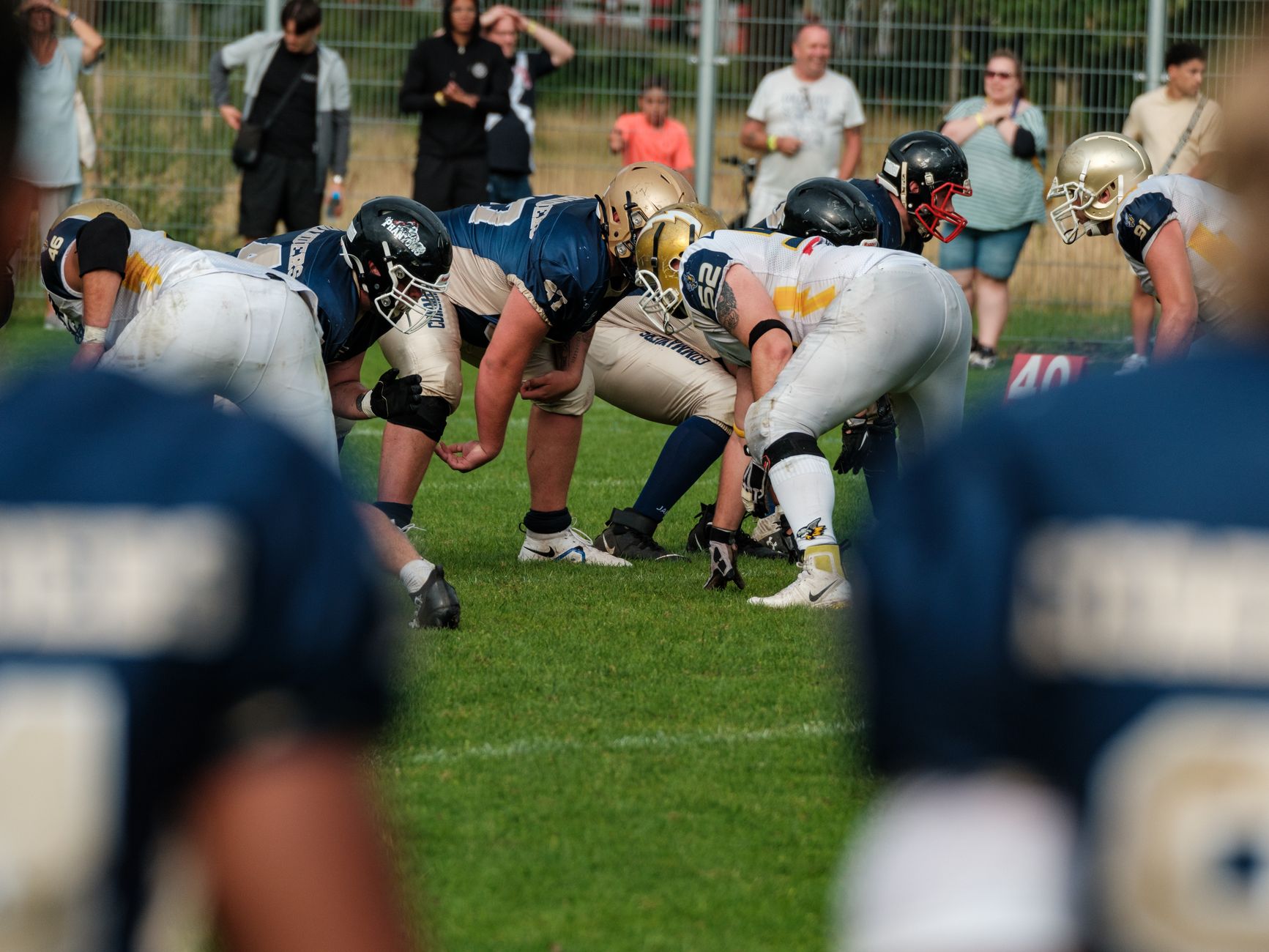
Photo by Haberdoedas Photography on Pexels
Key Takeaways
- Quarterback markets are often downstream of offensive line certainty.
- NFL spreads move fastest when both pass protection and edge rush availability change together.
- Market confidence improves once the final injury report confirms trench starters.
Betting Implications
- Favor pre-defined entry levels before Sunday morning repricing accelerates.
- Treat post-weather steam as lower edge unless forecast shifts are new.
- Use smaller stake size when injury signal quality is mixed.
Full Analysis
I start with the line of scrimmage before I look anywhere else. When there is movement in late-week defensive front rotation changes, I reprice the handicap quickly.
A shaky edge setup changes snap-to-snap play calling, and totals often react a step late. Protection uncertainty can keep totals stale longer than people expect. If new information lands around wind and precipitation updates inside the final 4-hour window, offensive line continuity, pressure rate mismatches, and weather-adjusted pace can move faster than posted numbers. That can leave openers behind fair value.
I treat timing like edge: good read, wrong window, no bet. Build entries around confirmation windows, then grade every move by whether protection quality or weather changed the expected pass rate.
I treat uncertainty as a sizing decision, not a narrative problem. If weather shifts after a key number breaks, keep sizing light because NFL totals can overreact near kickoff. Cross-check the read against official reporting before adding size.
I do not move from lean to position until late-week defensive front rotation changes is confirmed by trusted updates and pricing response. If that confirmation is missing, I downgrade conviction and treat offensive line continuity, pressure rate mismatches, and weather-adjusted pace as unresolved instead of forcing a narrative.
The difference between value and noise is often the 20-minute window when books are still repricing. I only increase exposure when both late-week defensive front rotation changes and wind and precipitation updates inside the final 4-hour window point in the same direction and the number still leaves room for edge.
If source reporting and market movement disagree, I treat that gap as uncertainty first and opportunity second. If that conflict persists near start time, smaller sizing is usually the better trade than chasing a late move.
My final filter is execution discipline: if the setup is no longer clean, the right decision is often no bet. The goal is durable decision quality over a full season, not forcing volume on every board.